Our Impact
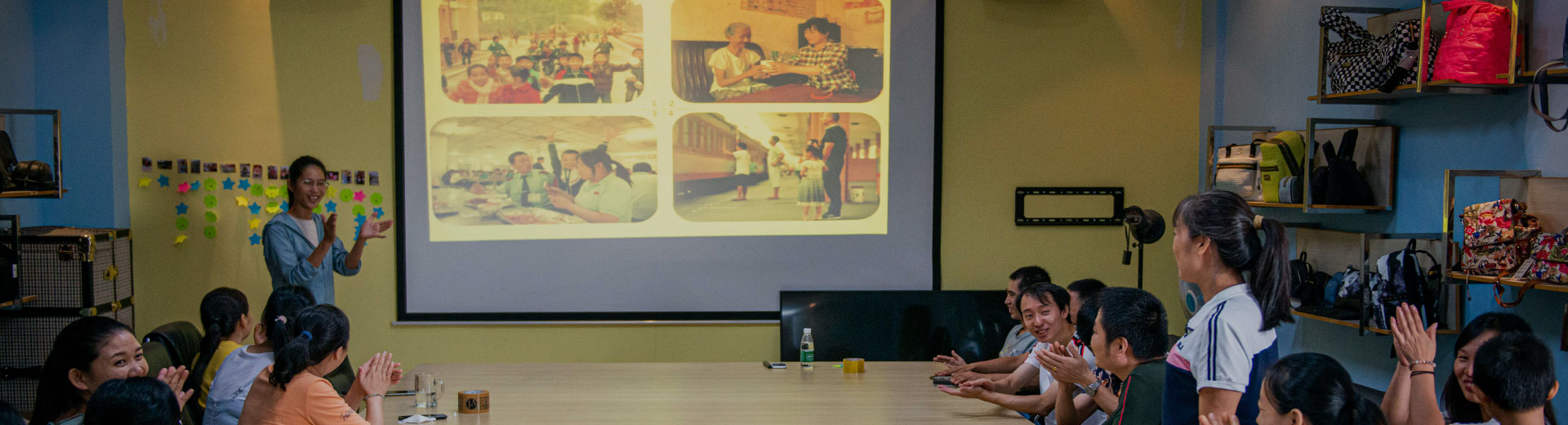
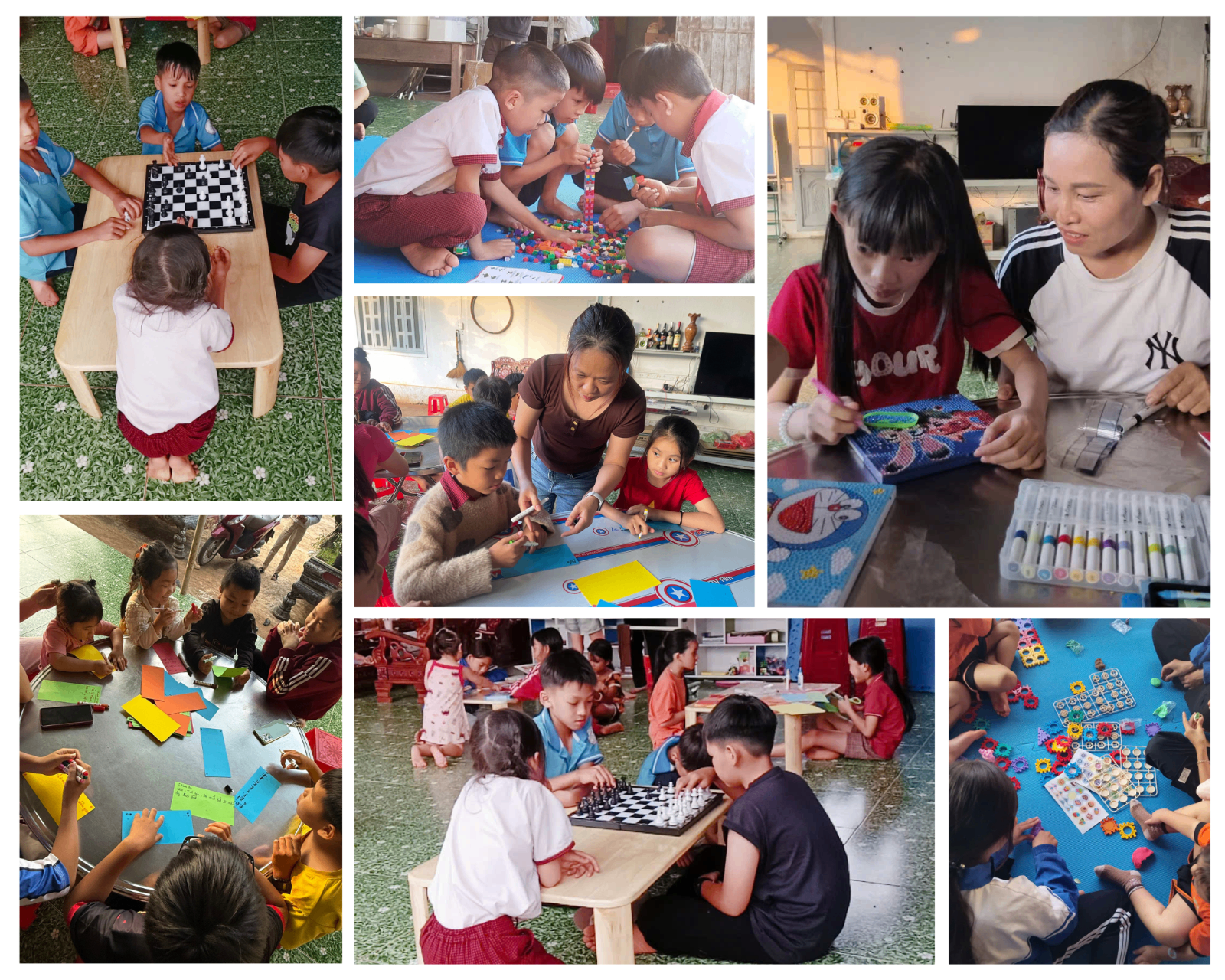 Photo: The After-School Centre attended by farmers’ children while their parents work
In Vietnam’s Central Highlands, the pepper harvest brings long working days for farming families, and a clear gap in childcare. School ends mid-afternoon, but work in the fields continues into the evening. In Dak Lak Province, this has often meant children staying home alone or spending time in plantations, increasing exposure to safety risks and, in some cases, child labour.
To address this, The Centre, together with a consortium of five international pepper brands sourcing from the region, launched its first After School Centre (ASC) pilot in Vietnam’s pepper sector in March 2026.
The ASC in Dak Lak is designed for local farming families, supporting children aged 5-12 (primary school age). The model is accessible and community-based. A farmer group leader, representing around 50 households, and his wife are hosting the centre in their home, supported by local Youth Union members as caregivers. With light-touch investment – basic facilities, learning materials and play equipment – the space has been adapted into a safe, child-friendly environment where farmers’ children can learn new things, play and socialise with other children in a safe environment overseen by teachers trained by The Centre. The pilot runs during the harvest season (March-May 2026), with the wider project continuing through December 2026.
The farmers’ children helped shape the ASC from the start. Through consultations, they asked for traditional Vietnamese games that encourage interaction and teamwork. Today, the ASC supports around 20 children during the hours when risks are highest: late afternoons and Saturdays. Children have a safe place to go, and parents can focus on their work without worry.
Alongside this, a separate Child-Friendly Space (CFS) pilot has been set up in Lam Dong Province, tailored to a different community and need. This model supports younger children, aged 3-5 (kindergarten age), from migrant-worker families during the harvest season. Hosted in a local kindergarten, the CFS provides a safe space for children to eat, rest and play while their parents work. The 20 children enrolled were initially shy in a new environment, but are gradually settling in with support from trained facilitators.
These two models reflect an area-based approach: different communities face different risks, and solutions need to be designed accordingly.
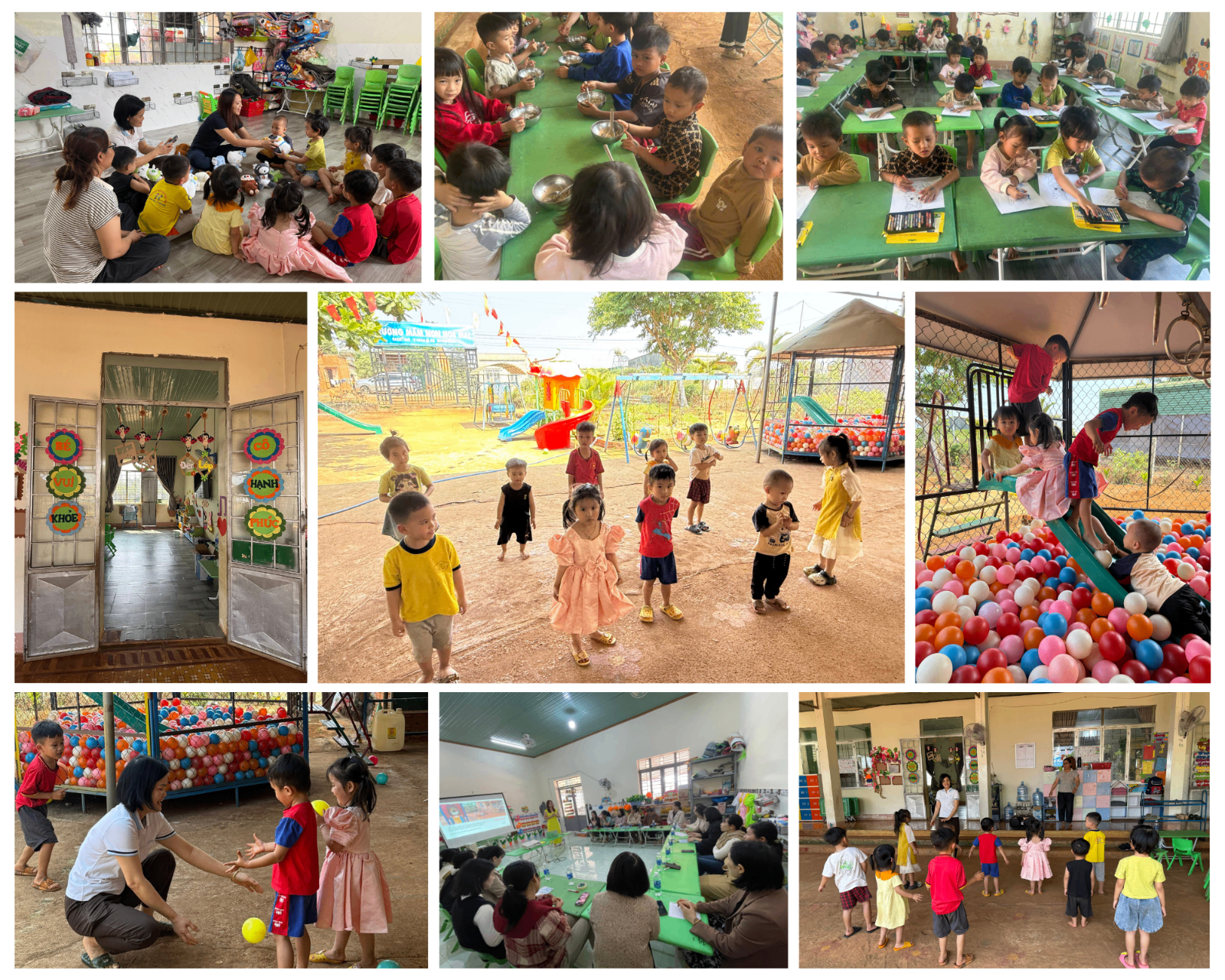 Photo: The Child-Friendly Space for younger children in the community
For businesses, this is a practical way to address child labour risks at their source. Instead of relying only on compliance measures, the ASC provides shared infrastructure that supports both child protection and more stable supply chains. Upcoming activities – including training from local teachers to strengthen caregiving and expand activities – are aimed at building local capacity and keeping the model running over time.
As conversations begin on extending the approach beyond the pepper harvest into other crop cycles, the ASC shows how targeted, collective action to advance family-friendly workplaces can support children while strengthening sourcing communities.

By using this website, you agree to our use of cookies. We use cookies to provide you with a great experience and to help our website run effectively.





