Our Impact
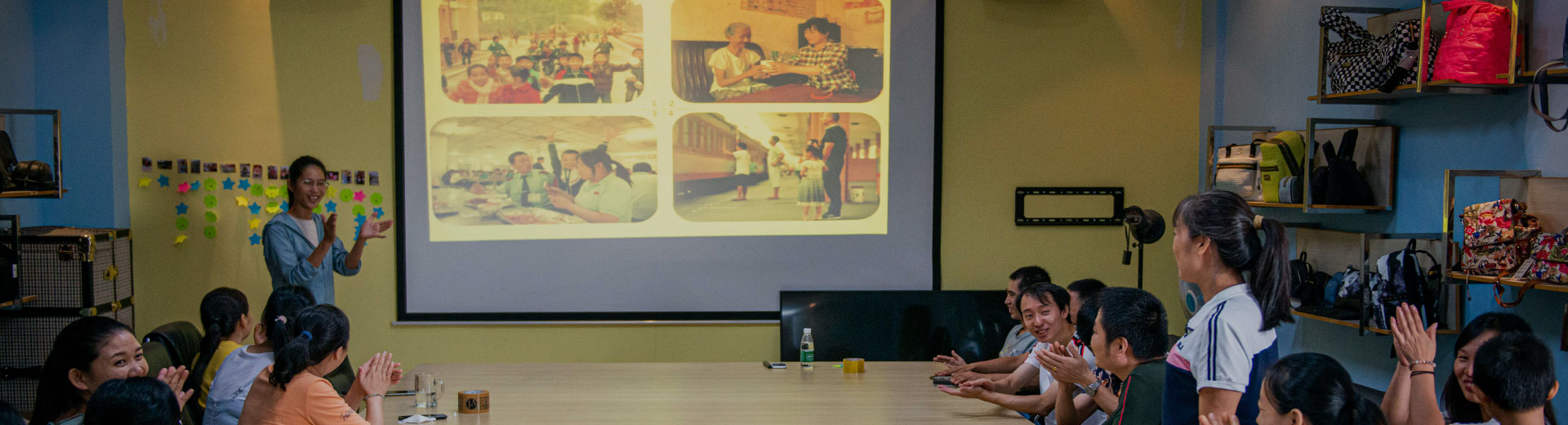
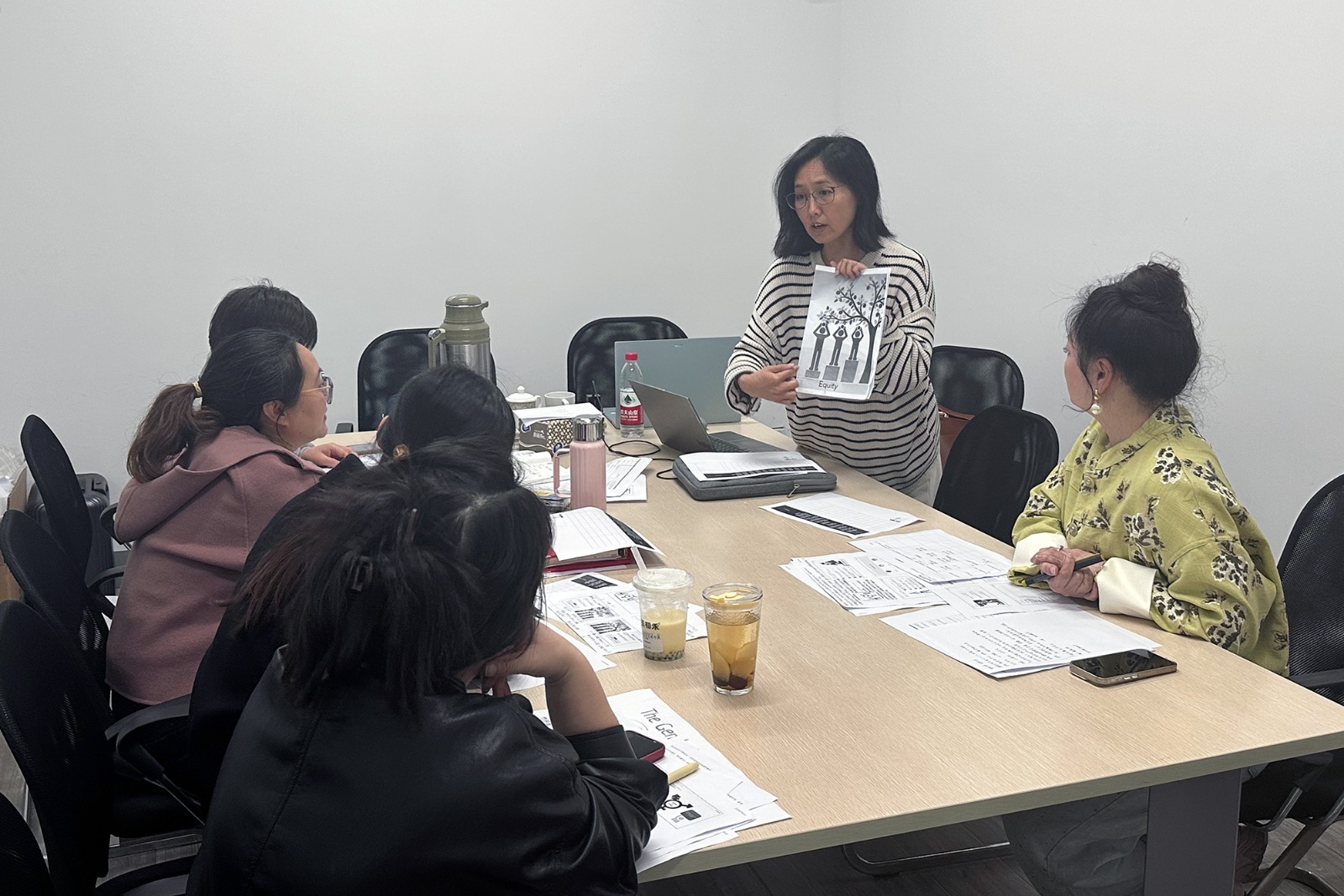
The Centre's Director of Services, China during a gender transformative workshop for an ASOS supplier in China
In 2024, The Centre for Child Rights and Business partnered with ASOS to pilot a 1.5-year Gender Ambassador Programme in a Chinese apparel factory. The aim was simple: strengthen gender equality, prevent gender-based harassment, violence & discrimination and create a safer, more respectful workplace for women and men.
The programme started with a needs assessment and policy review, followed by training for factory trainers, managers and workers. Eight staff – women and men working in production, management and other departments – were then selected as Gender Ambassadors. These ambassadors are trusted peers on the factory floor. They listen, support colleagues, raise concerns early and help promote fair treatment in everyday work.
One ambassador shared how the programme changed their perspective:

“I didn’t think a gender equality project was needed at first. But I soon realised inequalities still exist in many ways. Now I have the confidence to advise others and promote fair treatment. I’ve seen real changes: fewer inappropriate jokes, more respect between coworkers and better communication from management.”

Together with the gender ambassadors and the supplier’s internal trainers (who were trained by The Centre through a Training of Trainers programme), we rolled out a gender transformative training for factory workers and developed an action plan for four in-factory activities led by the gender ambassadors to promote a culture of equality and equity and to build awareness among workers.
The programme also strengthened systems. Key policies were updated, including anti-discrimination and anti-harassment procedures, grievance mechanisms, protections for female workers, and family-friendly policies such as maternity and paternity leave.
These changes translated into clear outcomes for workers:
24% more workers understand gender-related policies
20% more workers know how to use the grievance mechanism
75% more workers know mothers can take breastfeeding breaks during working hours
34% more participants can identify gender-based discrimination
40% reject harmful gender stereotypes
20% more know how to report harassment or discrimination
A female worker explained what this meant in practice:
"The biggest change is that we now know our rights and how to get help. We can talk to supervisors, HR, a Gender Ambassador, or use anonymous feedback boxes. The atmosphere feels safer, and people are more considerate of each other.”
The results of the pilot show that by investing in supplier-led programmes like this, brands help build stronger management systems, safer workplaces and more resilient supply chains. These are not one-off trainings; they are practical, long-term improvements that benefit workers, suppliers and buyers alike.

By using this website, you agree to our use of cookies. We use cookies to provide you with a great experience and to help our website run effectively.





