Our Impact
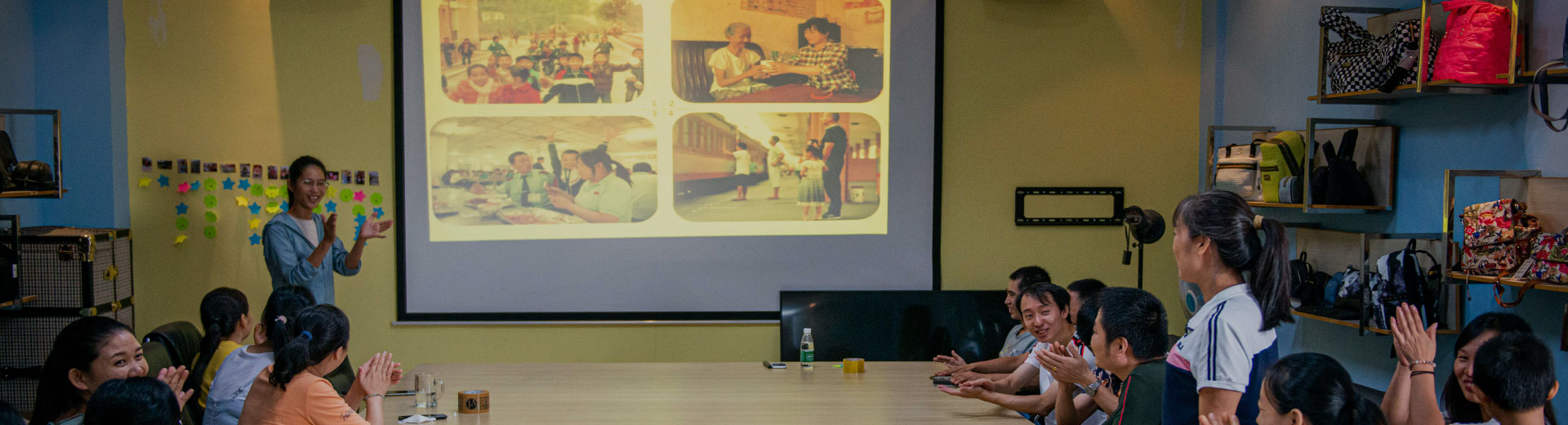
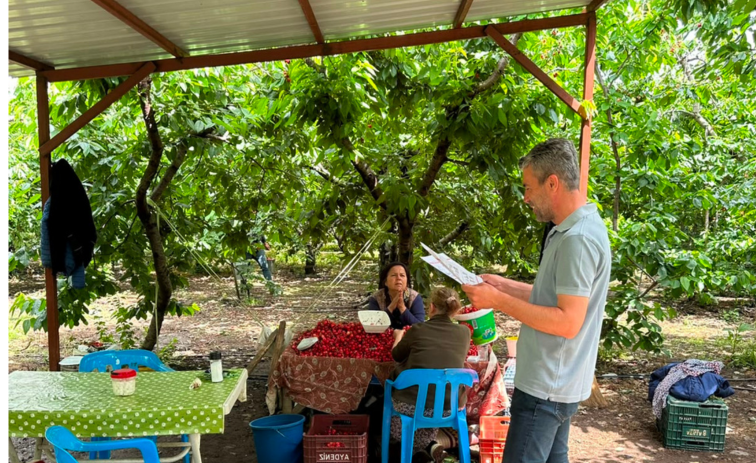
The Centre partnered with Lidl to strengthen child rights due diligence across its agricultural supply chain in Türkiye. Working through two multinational suppliers, the project engaged exporters supplying fresh produce, helping them build the knowledge, systems and practical skills needed to identify, prevent and address child labour risks, while extending these efforts to farmers and labour providers further down the supply chain.
Recognising that many child labour risks occur beyond direct suppliers, the project combined training, risk mapping, practical tools and action planning to help exporters strengthen their own management systems and cascade good practice throughout their supply networks. This approach aligns with international HRDD standards by building capacity where risks are greatest rather than relying solely on monitoring.
Building Practical Capacity
The programme equipped exporters to identify child labour risks, assess where intervention was most needed and develop practical action plans tailored to their operations. Participants also learned how to deliver training to farmers and labour intermediaries in both formal and informal settings, enabling knowledge to reach those making day-to-day decisions in the fields.
A key part of the training focused on helping participants distinguish between child labour and children's age-appropriate participation as young workers. Through discussion and practical examples, exporters developed a clearer understanding of when children's work becomes harmful by interfering with their education, health, safety or development. This shared understanding provided the foundation for more effective risk identification and remediation.
Understanding Local Realities
The project highlighted why agricultural supply chains require context-specific approaches to child rights.
Seasonal harvests depend on large numbers of migrant workers who often move between regions throughout the year, living in temporary settlements with their families. Without safe childcare options, younger children may accompany parents to farms, while older children above the minimum working age can still face hazardous work involving heavy lifting, high ladders or prolonged exposure to extreme heat.
At the same time, labour providers often play a central role in recruiting and organising workers, while language barriers between exporters, farmers and migrant communities can make communication and oversight more challenging.
From Risk Identification to Action
By the end of the project, participating exporters had developed action plans to strengthen worker registration, improve communication with farmers and labour providers, identify hazardous work, and better support seasonal migrant families. They also committed to sharing this knowledge throughout their supply chains, helping to build wider awareness and capacity among producers.
While complex agricultural supply chains require long-term engagement, the project demonstrated how targeted, child-centred interventions can strengthen HRDD in practice. By combining on-the-ground expertise with practical capacity building and a focus on continuous improvement, The Centre helped businesses move beyond identifying risks to taking meaningful action that protects children and strengthens responsible sourcing.

By using this website, you agree to our use of cookies. We use cookies to provide you with a great experience and to help our website run effectively.





