Our Impact
The Centre is working with a global company and three of its local supply chain partners to strengthen child rights and help prevent child labour across agricultural supply chains in India.
The programme focuses on building local knowledge, systems and trusted networks that enable suppliers and communities to identify risks early, support effective remediation and strengthen long-term human rights due diligence.
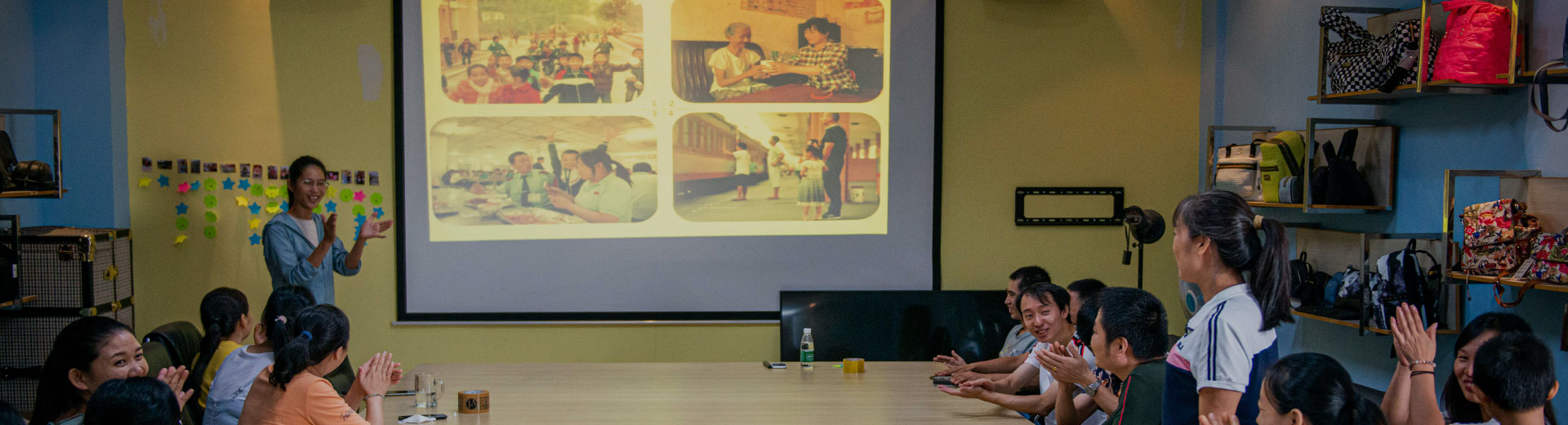
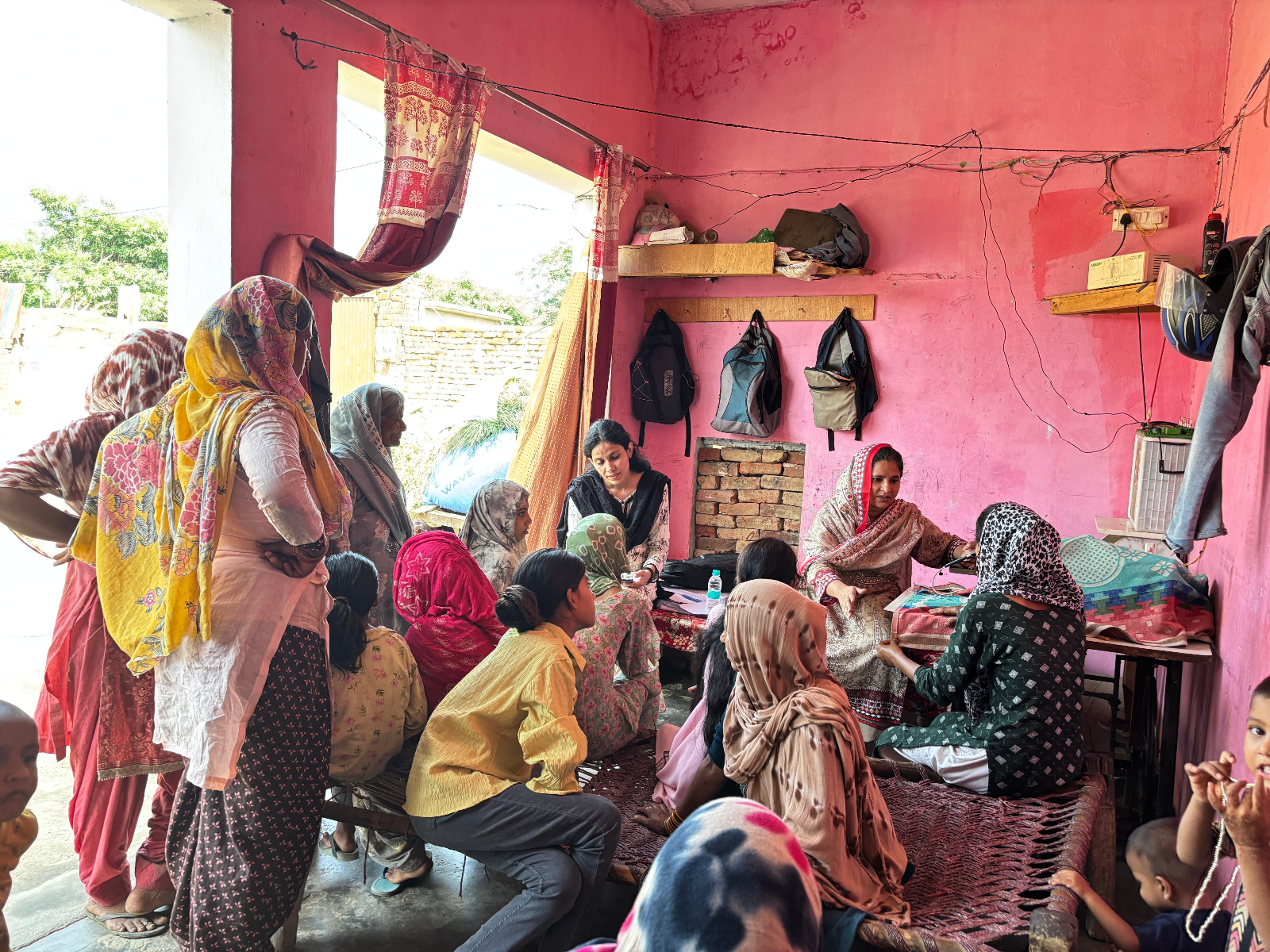
As part of the programme, The Centre recently delivered a series of two-day capacity-building workshops with the three agricultural suppliers. The workshops brought together supplier sustainability teams, field staff and community representatives to build practical knowledge on child rights, child labour prevention and remediation.
Participants completed three interconnected training modules:
Training of Trainers, equipping supplier teams and field facilitators to train farmers and local producers on child rights and child labour prevention.
Action Planning, helping each supplier develop practical roadmaps to strengthen their child labour prevention and remediation systems.
Child Rights Focal Point training, preparing trusted community members to identify child labour risks, raise awareness and connect children and families with appropriate support.
A key milestone was the appointment and training of Child Rights Focal Points from farming communities. For many participants, it was their first formal training on child rights.

“This was the first time I received formal training on child rights. I now understand the legal working age in India and realise how important it is to understand the child labour laws,” a Child Rights Focal Point said.

The workshops have already resulted in each supplier developing tailored action plans and committing to roll out training with farmers and distillation unit owners. They have also strengthened collaboration between suppliers and community representatives, creating a stronger foundation for identifying and addressing child labour risks.
Delivering the training in Hindi helped ensure the content was practical and accessible for local teams.
“Delivering the training in Hindi made it much easier for our field teams to understand the concepts. This will help us bring a stronger child rights perspective into our supply chain," a sustainability team member from a local supplier said.
For supplier field staff, the focus was on turning knowledge into everyday practice.
“This training has helped us understand how we can translate these practices into our day-to-day work with farmers for better outcomes in the future," said a field representative from a local supplier.
Over the coming months, suppliers will roll out training across their supply chains while Child Rights Focal Points begin supporting awareness, risk identification and referrals within their communities. The Centre will continue providing technical guidance and mentoring to help embed child rights into day-to-day supply chain management and strengthen businesses' human rights due diligence.

By using this website, you agree to our use of cookies. We use cookies to provide you with a great experience and to help our website run effectively.





