Our Impact
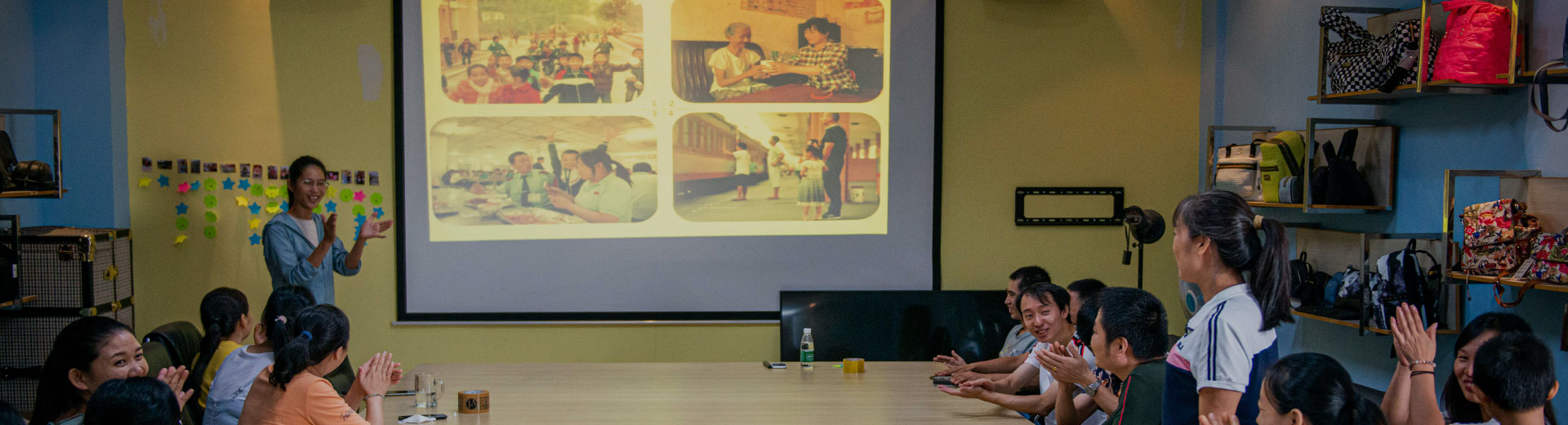
Regulatory pressure from key buyer markets is reshaping how agricultural supply chains operate. New and emerging laws in the EU and US, including the EU Deforestation Regulation and strengthened corporate due diligence requirements, are pushing buyers to look deeper into upstream risks. For Vietnamese exporters, this means higher expectations on labour standards, child labour prevention, grievance mechanisms and traceable, responsible sourcing.
Agricultural sectors such as coffee and pepper are increasingly under scrutiny. Reputational risk for buyers now translates into stricter sourcing requirements, more audits, and clearer expectations that suppliers can identify, prevent and address human rights risks—particularly those affecting children and young workers.
Against this backdrop, The Centre for Child Rights and Business continues to play a leading role in supporting brands and suppliers to move beyond compliance and strengthen human rights due diligence (HRDD) where risks are highest.
Building on baseline research conducted across agricultural sectors in 2024, and our long-running work to strengthen child rights in Vietnam’s coffee sector since 2020, The Centre was commissioned in 2025 by several US and EU buyers to launch two new business initiatives in coffee and pepper supply chains.
Supporting Young Workers in Coffee Supply Chains
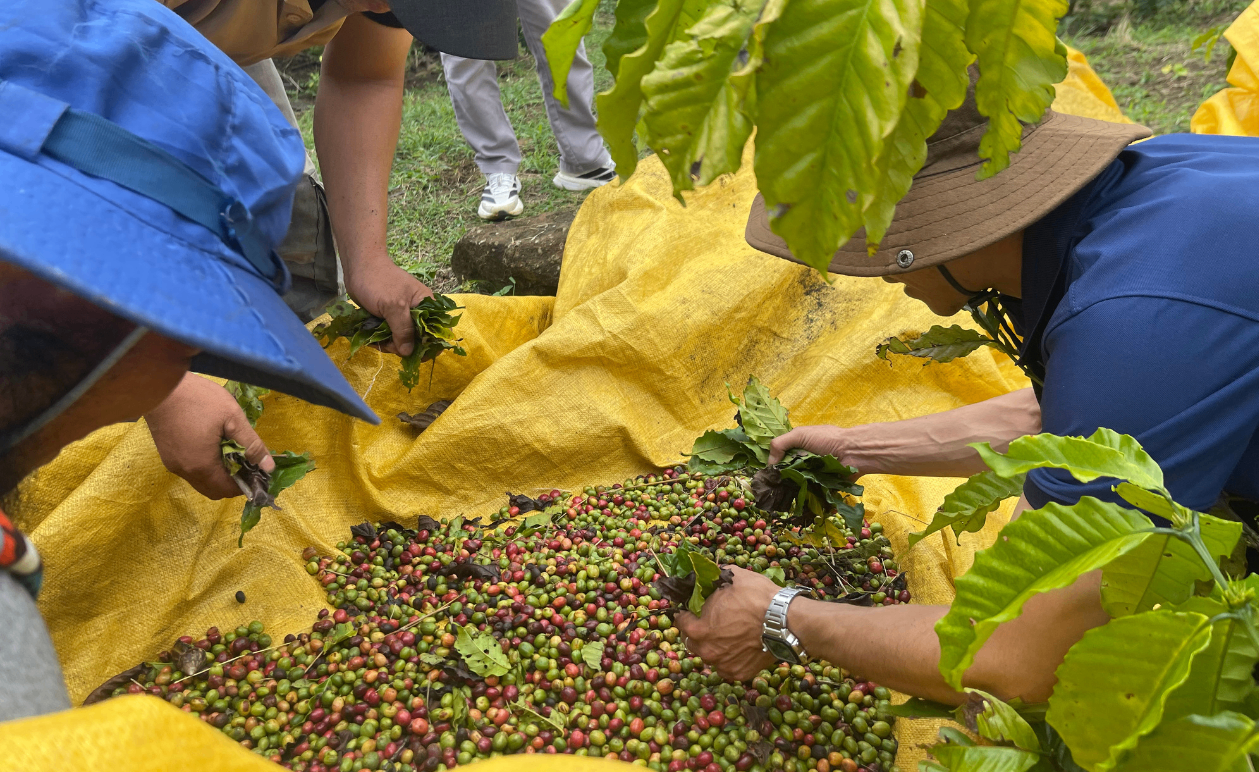 Photo: Young workers at engaged in coffee farming © The Centre for Child Rights and Business, 2025
From September 2025 to June 2026, The Centre is implementing a targeted initiative to improve working conditions and employment opportunities for young workers in selected coffee supply chains in Vietnam. The initiative supports our client’s ethical sourcing commitments and strengthens due diligence in high-risk sourcing regions.
The focus is practical and prevention-oriented: helping suppliers manage child labour risks linked to young workers while ensuring that young people can access safe, decent work opportunities.
Key objectives include:
Strengthening suppliers’ capacity to monitor child labour risks and deliver training at lower tiers and within sourcing communities
Improving protections for young workers through community-based training in coffee-growing areas
Supporting youth skills development through vocational and empowerment training that builds both soft and technical skills
The initiative is being implemented with two highly committed suppliers recommended by the client. Two coffee farmer groups are currently piloting the approach and have nearly completed a light-touch baseline assessment, the first step in a four-step process:
Scoping and needs assessment at community and farm level
Supplier and community-based training for farmers and young workers
Training of trainers for suppliers
Youth empowerment training sessions in plantation communities
This phased approach allows suppliers and buyers to respond to real, on-the-ground risks while building longer-term capacity.
Area-Based Action in Pepper Supply Chains
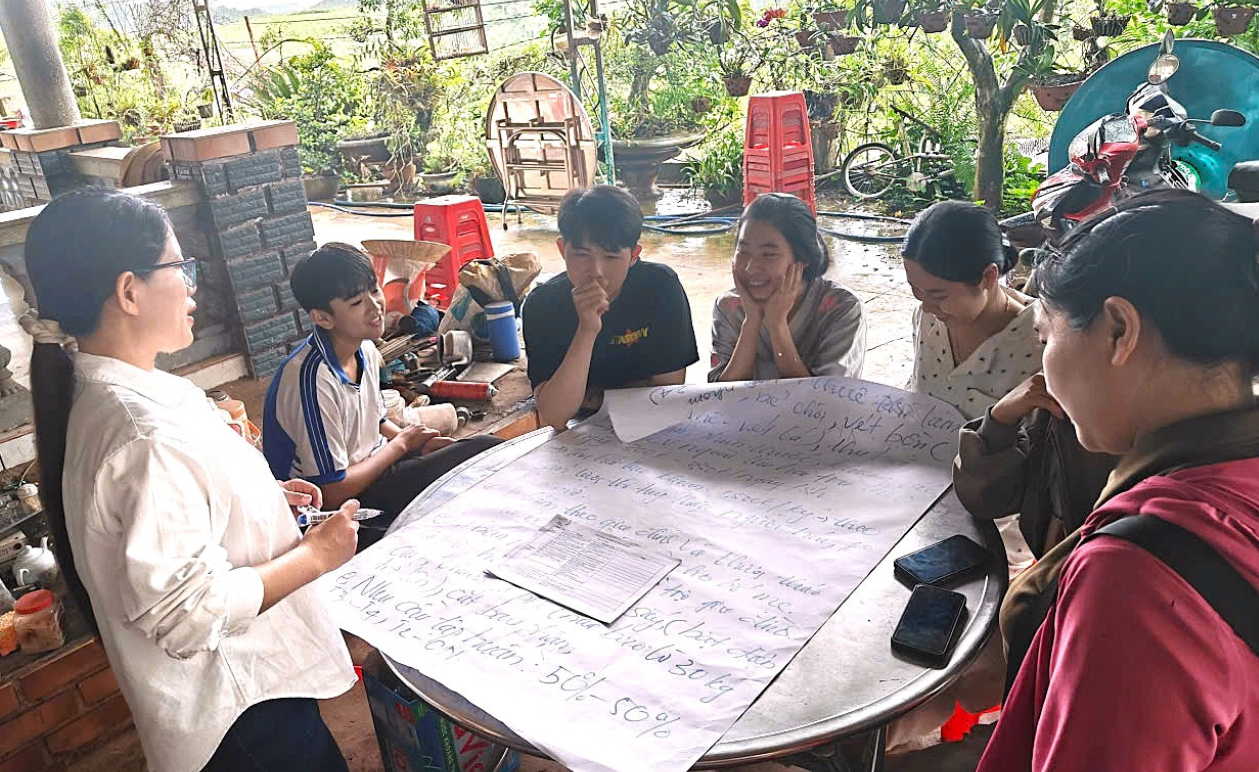
Photo: Young workers group discussion during the baseline assessment © The Centre for Child Rights and Business, 2025
In parallel, The Centre is working with a consortium of US and European pepper brands on a larger, area-based initiative covering five sourcing localities in Vietnam. Running from June 2025 to December 2026, the initiative aims to strengthen ethical and sustainable pepper supply chains, with child protection positioned as a shared responsibility across buyers, suppliers and communities.
The initiative brings together brands, Vietnamese processors and exporters, and local stakeholders to:
Strengthen policies and management systems linked to human rights due diligence and responsible sourcing
Improve training programmes and labour monitoring systems
Expand support for children, young workers and their families at community level
In addition to supplier and stakeholder training, the consortium will pilot new childcare solutions in two locations, such as child-friendly spaces or after-school centres, responding directly to risks identified during the assessment phase.
Baseline assessments were completed across all five sourcing communities in October–November 2025. Detailed implementation plans are now being finalised based on the findings, in close collaboration with consortium members and five suppliers that have demonstrated strong commitment to implementing the interventions.
These initiatives reflect a clear shift we see across agricultural supply chains: brands are no longer asking whether upstream risks exist, but how to address them in a credible, scalable way. By working simultaneously with buyers, suppliers and communities, and by grounding interventions in local realities, The Centre continues to support practical HRDD implementation that helps prevent child labour and strengthens protection for young workers.

By using this website, you agree to our use of cookies. We use cookies to provide you with a great experience and to help our website run effectively.





