Our Impact
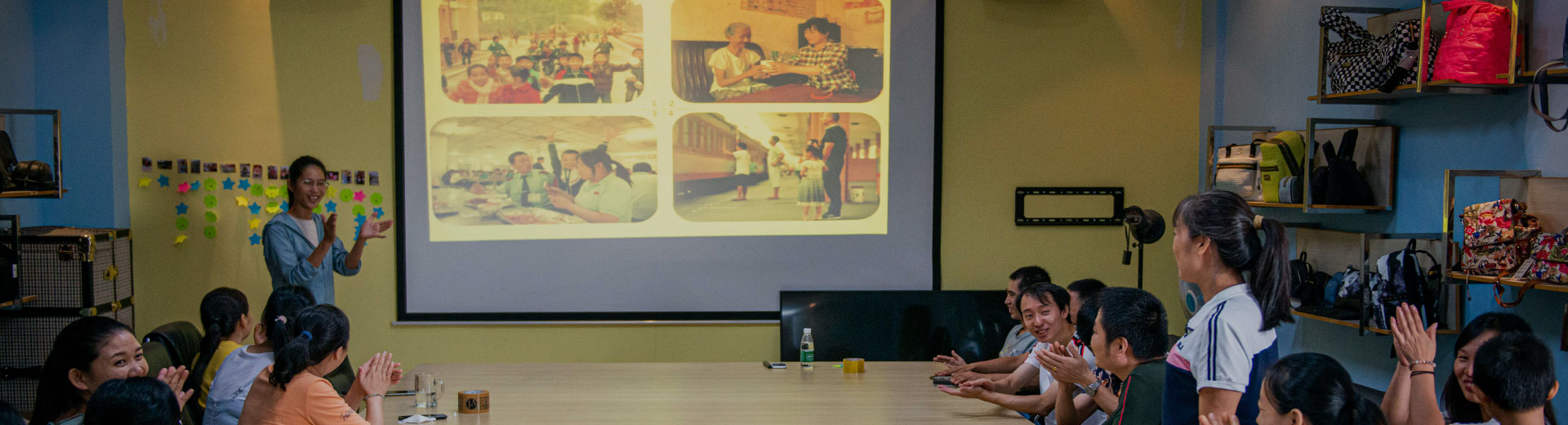
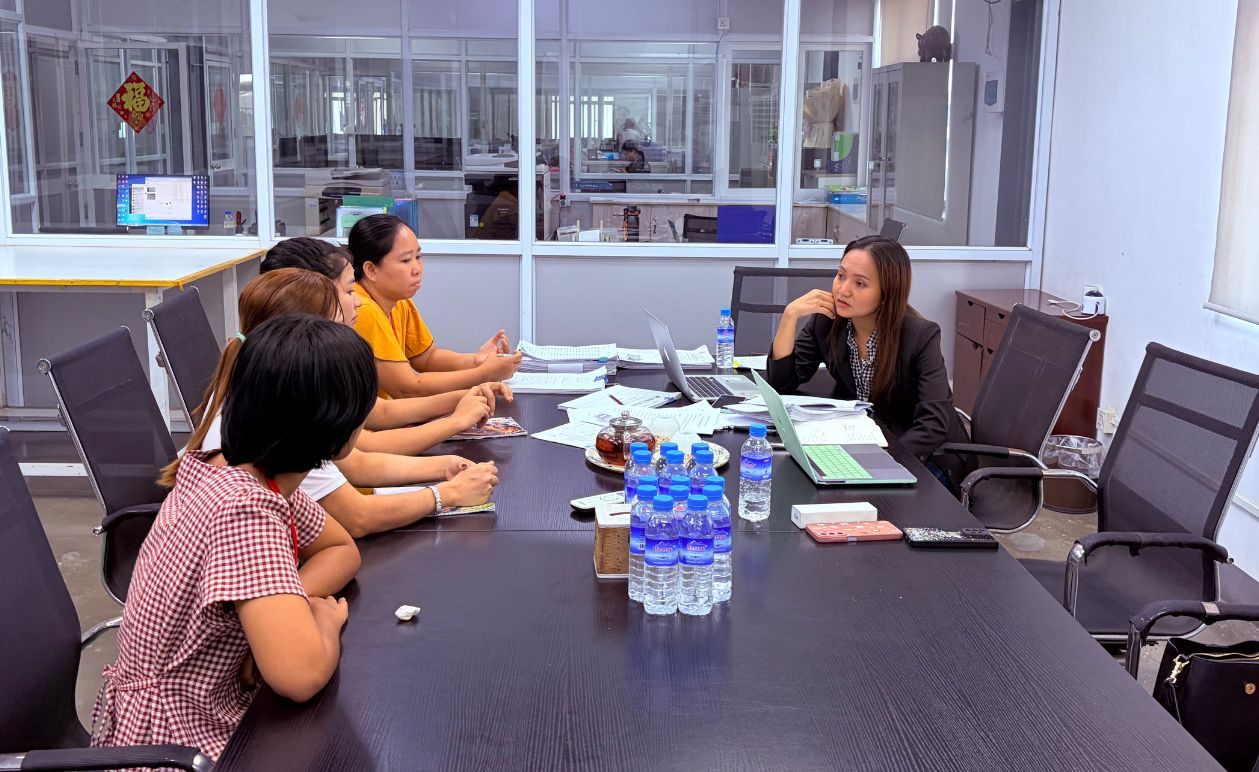
Photo: The Centre interviewing workers to better understand the factory’s recruitment and workplace management practices.
Strong child labour prevention depends on more than policies. It requires effective recruitment systems, well-trained managers and clear procedures that are consistently applied across the workplace.
In Myanmar, The Centre recently supported a supplier factory through a two-stage project to strengthen its child labour prevention and remediation (CLPR) systems. Combining an independent assessment with targeted training and follow-up support, the project helped the factory strengthen its internal processes and make measurable improvements over time.
The engagement began in March 2025 with a rapid assessment of the factory's existing policies, procedures and management systems. Through site observations, interviews and document reviews, our team identified opportunities to strengthen recruitment practices, child labour prevention, young worker protection and grievance mechanisms.
Based on the findings, we delivered tailored CLPR training for the factory's Chinese management team. The training covered Myanmar's legal framework, international standards and practical approaches to preventing child labour, while helping participants develop an action plan to guide implementation.
Eight months later, we returned to assess progress.
How we Turned Recommendations into Action
The follow-up assessment examined how the factory had implemented the recommendations and whether improvements had become part of day-to-day practice. Our team conducted a site walkthrough, reviewed key policies and records, interviewed managers, supervisors and young workers, and held focus group discussions with more than 50 employees.
The review focused on five priority areas:
1. Recruitment and age verification
2. Child labour prevention
3. Protection of young workers
4. Grievance mechanisms
5. Staff training and capacity building
Encouraging Assessment Progress
The factory had strengthened its recruitment procedures by introducing more consistent age verification processes and improving HR staff capacity. Its child labour prevention system had also developed, supported by clearer communication of policies, regular training and a more structured approach to identifying and managing risks.
Measures to protect young workers had been strengthened through improved supervisor awareness, occupational health and safety training and greater attention to equal opportunities in recruitment and employment. Workers also demonstrated a better understanding of the factory's grievance channels and greater confidence in using them. In addition, the factory had improved the quality of its internal training by introducing more structured planning, interactive learning methods and stronger evaluation of training outcomes.

“Through this programme, I learned a great deal, including the negative impacts of hiring underage workers, young worker protection requirements and the appropriate actions to take when child labour is identified in the factory.” HR Manager

This project shows the value of combining assessment, training and follow-up support. Rather than simply identifying gaps, the process helped the factory strengthen the systems, skills and management practices needed to prevent child labour and protect young workers over the long term.

By using this website, you agree to our use of cookies. We use cookies to provide you with a great experience and to help our website run effectively.





